A Father's Dedication
Built to solve a very real problem
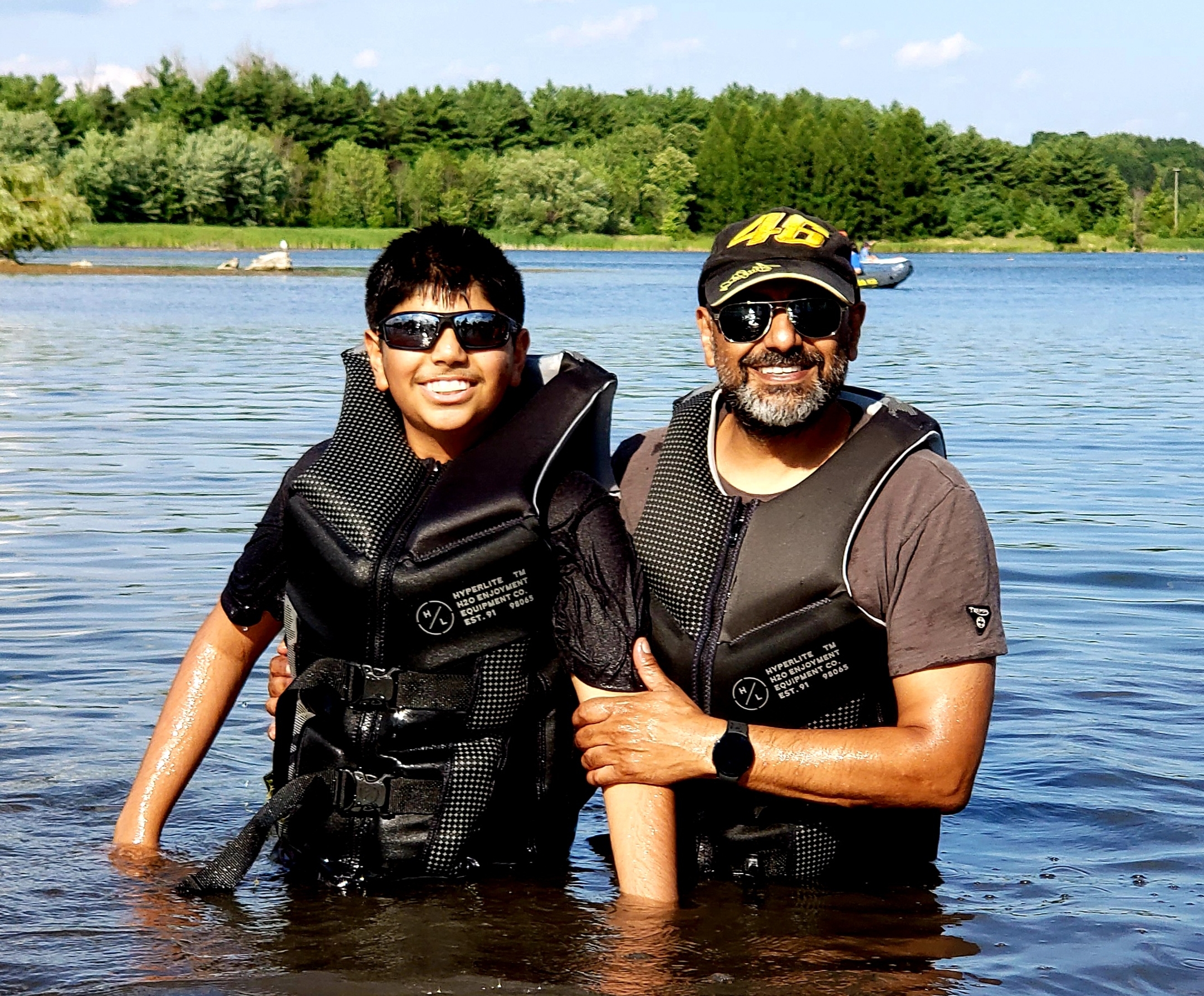
TalkThisWay.ai was built by Asif Ikram, a father trying to solve a very real problem for his son.
Asif's son, Danyal, has autism and apraxia of speech. For many years, Danyal was non-verbal. Today, he has a small number of spoken words — but his understanding of language has always been strong.
Like many families, Asif tried numerous AAC apps. None worked.
The Problem with Existing AAC Tools
Most AAC tools:
Combine language learning and communication
Rely heavily on pictures and grids
Require selecting every word individually
Assume limited comprehension
For Danyal, this created frustration — not empowerment.
He didn't need help understanding language.
He needed help expressing what he already understood.
A Separate Approach: Comprehension ≠ Expression
The breakthrough came when Asif separated two things that are often mistakenly treated as one:
Receptive Language
(understanding)
Expressive Speech
(speaking)
For Danyal — and many others — comprehension was intact. Speech was the barrier.
TalkThisWay.ai was designed specifically around that distinction.
Alignment with Other Conditions
Through this lens, it became clear that TalkThisWay.ai aligns naturally with the needs of individuals experiencing:
Autism with strong comprehension
Apraxia of Speech
Aphasia
Stroke or brain injury
Hyperlexia
And similar conditions
In all cases, the pattern is similar:
"I know exactly what I want to say — I just can't get it out."
Why AI — And Why Carefully
The role of AI in TalkThisWay.ai is limited and intentional.
The user provides the meaning
The system assembles grammar
The user chooses what is spoken
AI does not replace authorship.
It supports expression.
This distinction is central to the app's philosophy and design.
Our Principle
Respect intelligence. Reduce effort. Preserve voice.
TalkThisWay.ai exists to help people be heard — without taking their words away from them.